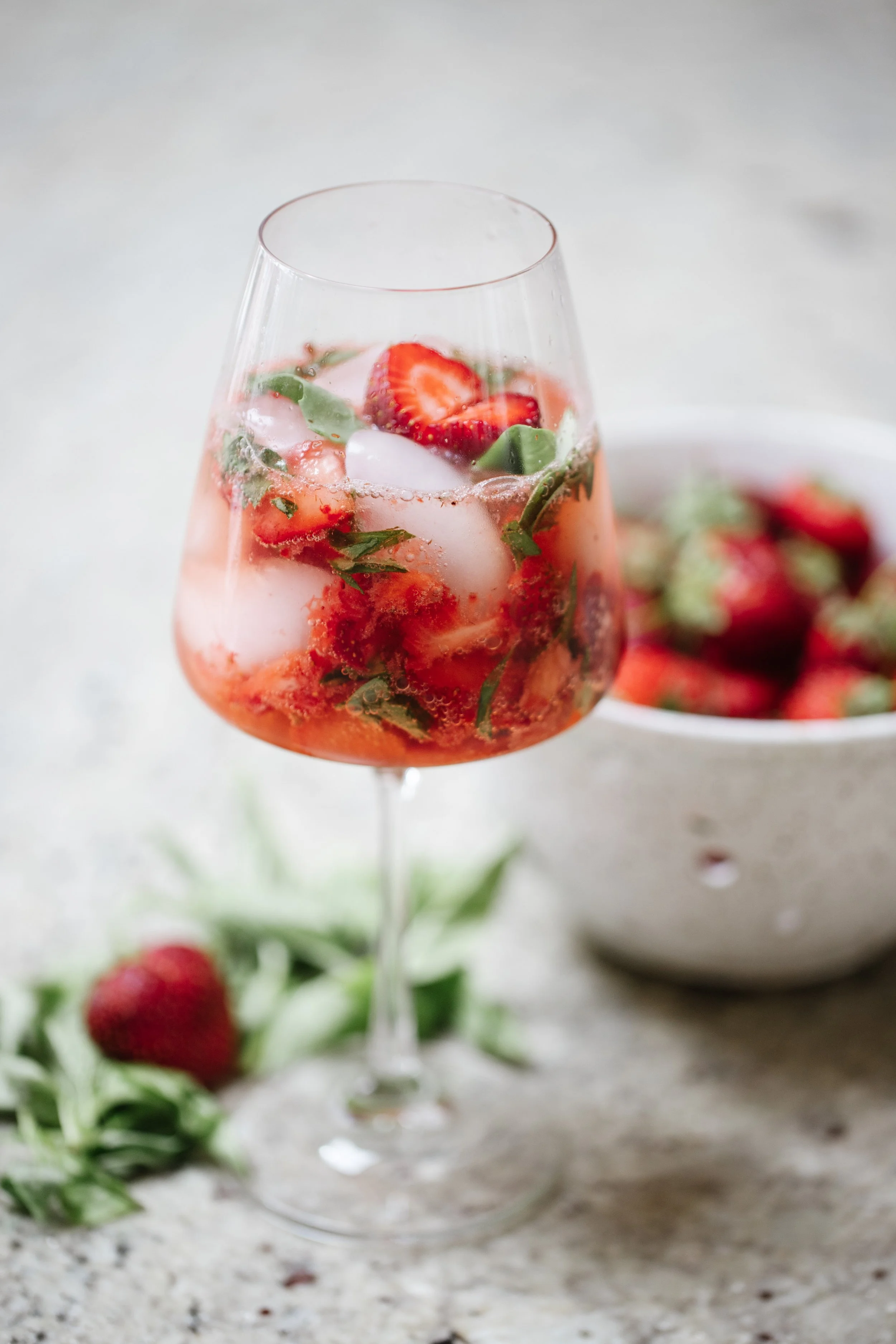
Is there anything better than enjoying a fresh from the garden mocktail in the heat of the summer? If you ask me, the answer is no, there’s nothing better! I know summer is still a few months away, but the time to plan out a garden filled to the brim with the best herbs to mix into your drinks is now. Whether you like to indulge in a little adult beverage from time-to-time, or want to keep your drinks alcohol-free, creating a cocktail/mocktail garden is sure to elevate your drinks this year. Let’s discuss everything you’ll need to grow your best mocktail garden!
What to Plant in a Mocktail Herb Garden
1. Mint (in it’s own container!)
Mint is a fantastic perennial addition to a mocktail herb garden, but must be in it’s own container as it will take over the bed. Each year, trim your mint plant back to the ground (above a nod) in the fall, and add a layer of compost in spring as it starts to grow back.
2. Lavender
Lavender is another perennial to add to your mocktail herb garden. Note, it’s a slow-growing shrub, and can take up to 3 years to become a fully mature plant. If you want to start harvesting this summer, purchase an established starter plant from a local nursery. Trimming back your lavender once a year will aid in new, healthy growth.
3. Basil
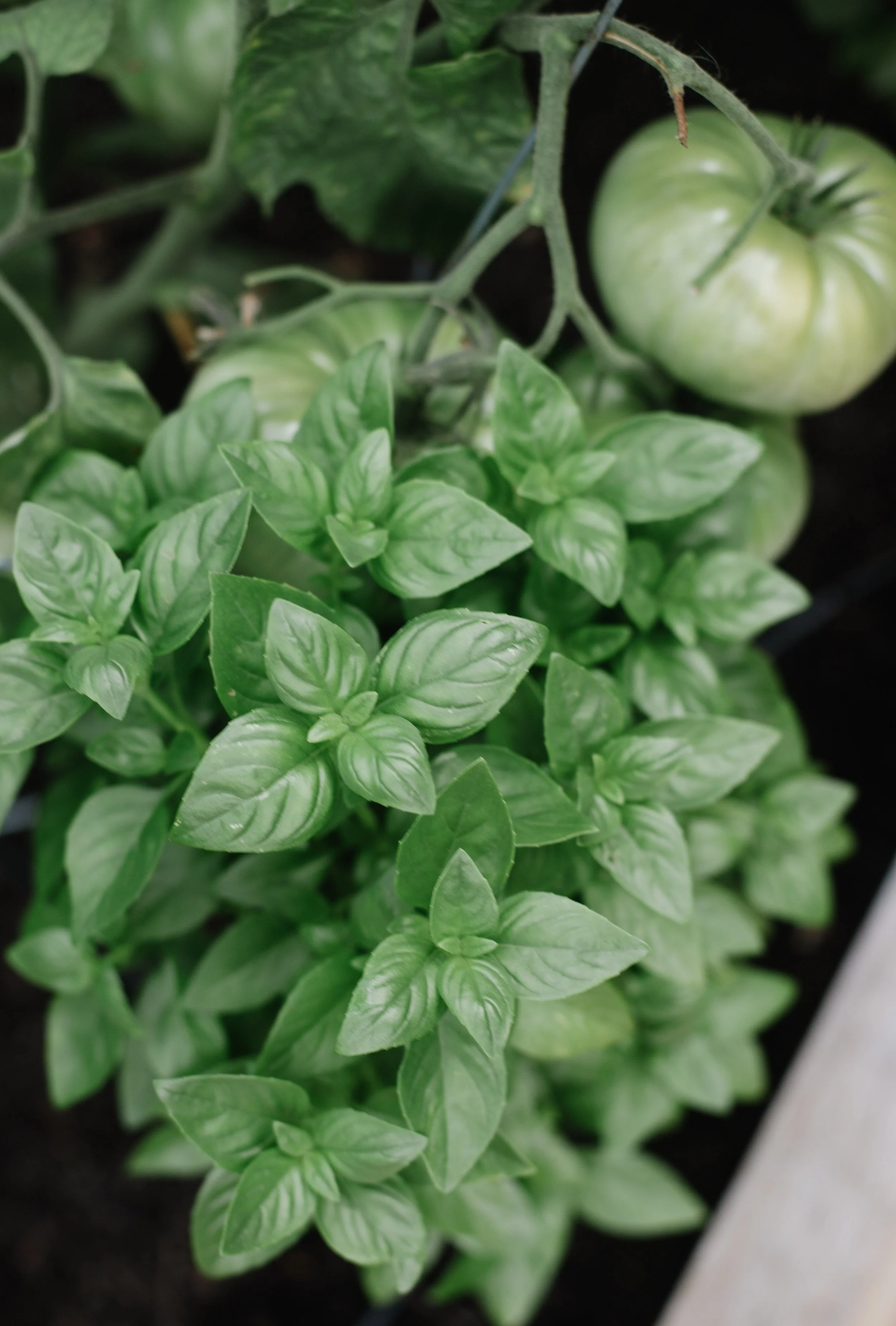
Unless you live in a very warm climate (zones 10-11), basil is going to be an annual in your garden! Though it’s popular primarily in Italian cooking, basil adds a delicious flavour to mocktails, especially when paired with strawberries, similar to a sweet & savoury vibe! It’s relatively quick to grow, but can quickly flower in the summer, so harvest regularly to help avoid this. My favourite variety to grow is Emerald Tower.
4. Lemon Balm
Lemon balm is another perennial to add to your mocktail garden, and often grows at a fast pace. It can be quite an aggressive spreader in a garden, so it’s best to grow in a pot or near the edge of the bed. Prune multiple times throughout the season so it will keep coming back strong year after year.
5. Strawberries
Though not an herb, strawberries are a fantastic addition to your mocktail garden. They are herbaceous perennials, so with proper care, you should be able to plant once, and have it come back each year! However, they will be productive growers for about 3-4 years, and then slow down quite a bit, so consider this when planting as you’ll need to turn over your plants.
6. Nasturtium
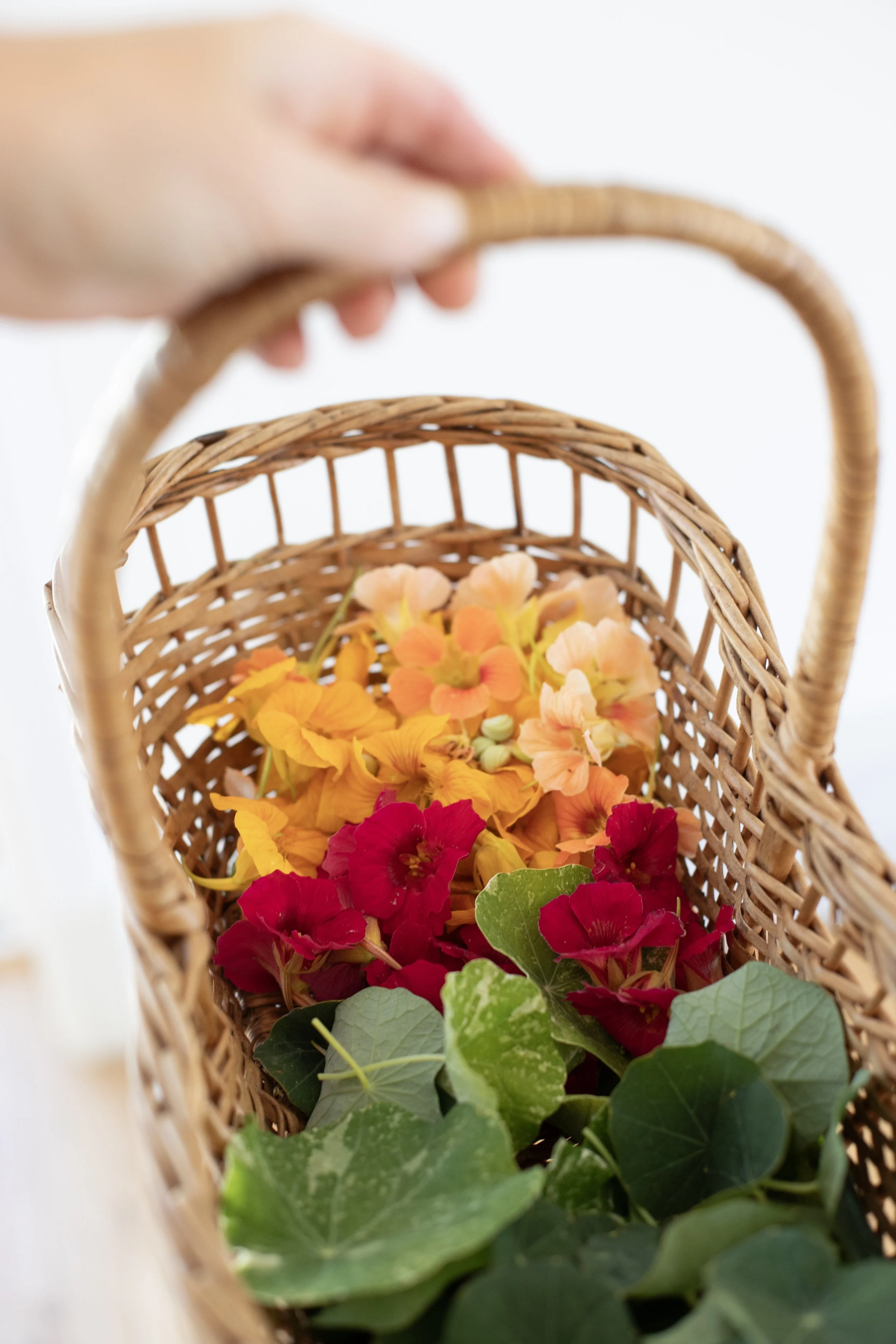
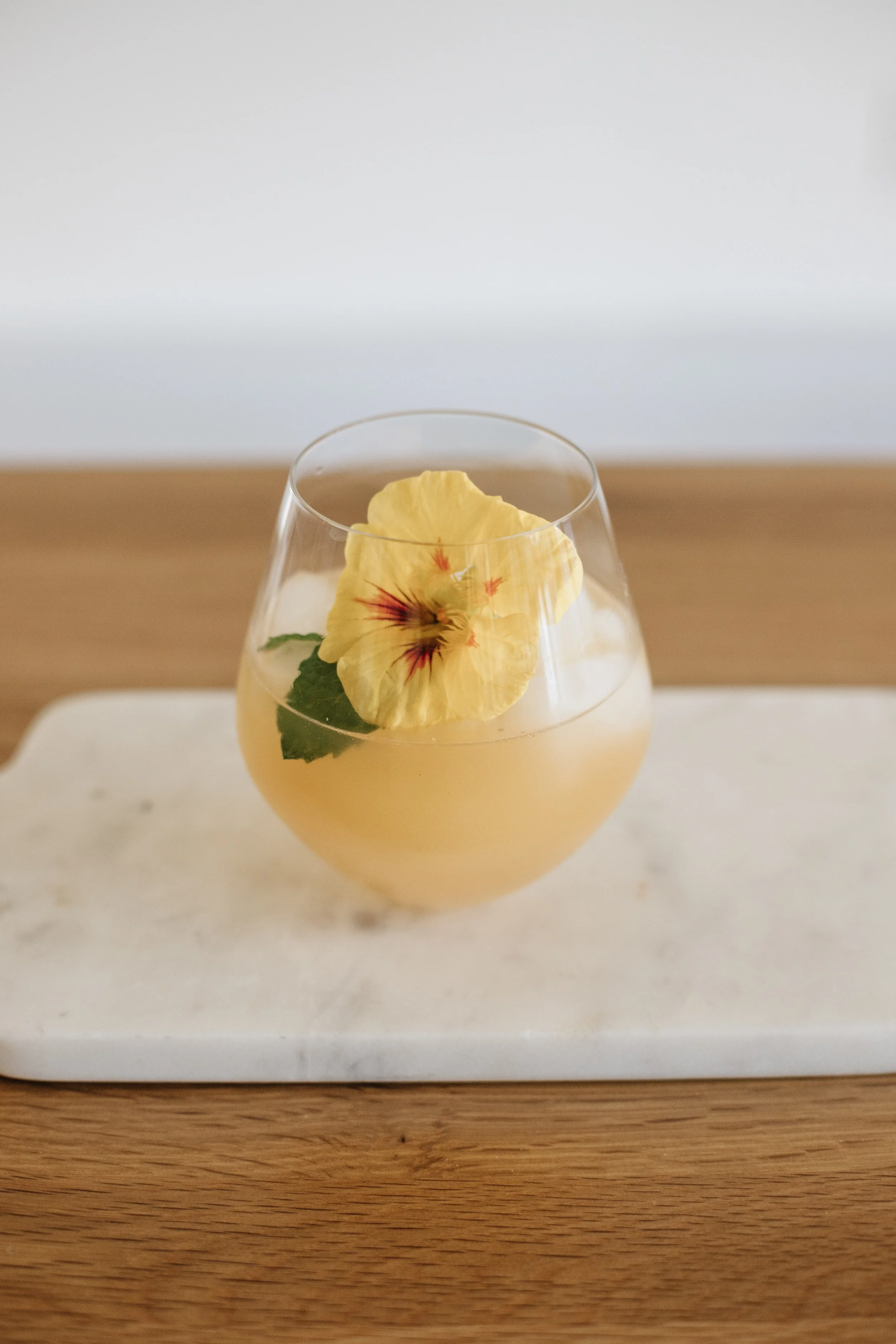
These edible flowers are perfect in a veggie garden but also in a drink! Not only do they have a peppery taste, but they add a beautiful touch of nature and pop of colour to your mocktails. They are easy to plant by seed mid spring and will last until the fall. They will attract aphids so keep an eye on them.
Companion Planting Tips
Many herbs generally grow quite well together, though there are some that are better partners, and some that should be kept in their own containers. Mint should never be planted in with anything else. It’s quite aggressive, and can easily take over a whole bed. It should only be planted in a pot by itself. Your strawberry plants will pair well with herbs like basil and lavender*, and work together to help deter pests, similarly to your edible flowers. Nasturtiums will also encourage pollinators to visit your garden, so consider this when planning and planting!
* Avoid planting your lavender next to plants that prefer consistently moist soil, as lavender thrives in drier conditions. If you want to companion plant with strawberries, which typically require more water, consider keeping it next to the strawberries in it’s own pot, or planted not too close to the strawberries if you have enough space.
Planting Timeline
Depending on your zone, it may be time to start planting out! In warmer zones like mine (I’m in zone 9), you can follow this timeline below. If you’re in a cooler climate, follow your seed packets recommendations for timing:
March: Plant strawberries,, mint and lavender starts (establish plants) outdoors. Seed start your basil and lemon balm indoors.
April-May: Transplant basil and lemon balm outdoors (or after all danger of frost has passed). Plant nasturtium seeds directly into the soil. I plant again early August for fall crops. They bring the hummingbirds into the garden.
Mocktail Inspiration
If you’re looking for a little mocktail inspiration using these herbs and flowers, here’s a list of a few of my favourite combinations!
Strawberry & Basil
Strawberry & Mint
Lavender & Lemon Balm
Basil & Nasturtium

Not only is this mocktail garden bed great for creating fresh, from the garden mocktails in the summer months, it’s also pollinator‑friendly (which is a bonus for all of your other surrounding garden beds!), and beautiful. What other herbs do you like to include in your mocktails? Let me know in the comments!

* Note: Some links featured in the above post are commissionable/affiliate links.